
Commercial intelligence · OSINT
Know before you sign.
Most expensive mistakes were knowable — the information was public, sitting in registries, dockets, filings, and the open web, waiting for someone relentless enough to assemble all of it. That's the practice: we read to the bottom of the lawful record, every time, and what we find goes in writing. Quietly. The counterparty never learns you looked.
The short version
60 sec
to scope which desk you need, free, no email
- Property, counterparty, and competitive diligence from public sources and lawful methods; nothing obtained improperly, ever.
- Four desks with published price bands: the commercial brief, the Deep Dossier, political research, and a confidential scope.
- Confidential in both directions, need-to-know handling, conflict walls.
The practice
Four kinds of knowing
Property & title intelligence
The building's real story before you offer: ownership chains and transfer history, liens and encumbrances, permit and code-enforcement records, environmental flags, and the paper trail behind the pro forma. The listing tells you what the seller wants known; the record tells you the rest.
Counterparty & vendor diligence
Who you're actually about to do business with: corporate registrations and officer histories, litigation and judgment records, UCC filings, prior ventures, and reputational signals across the open web. Most bad deals telegraph themselves in public — if someone looks.
Competitive & market intelligence
Your market, mapped from what competitors publish without realizing it: footprints and expansion moves, pricing signals, hiring patterns, review trajectories, and the gaps nobody is serving. The quarterly brief that turns "I heard" into "I know."
Digital exposure assessment
The mirror, turned on you: what the open internet — and now AI assistants — reveal about your company, your properties, and your principals. What helps, what hurts, what should quietly be corrected, and what it inadvertently tells your competitors.
Political research & opposition books
The same public-record discipline, applied to campaigns: vulnerability self-audits, sourced opposition research books, rapid-response fact desks, and ballot-question landscapes — for candidates and committees, under a published methods code with published pricing. This desk has its own page.
The political desk →Premier tier
The Deep Dossier
When the decision warrants it: a single institutional-grade file on a public figure, official, or deal — full public-record aggregation, beneficial-ownership mapping, sanctions and PEP screening, financial-exposure analysis, web-archive forensics, and image provenance.
Inside the Deep Dossier →When it earns its fee
The moments that call for a brief
- ◆ Before an offer on a building
- ◆ Before a partnership or joint venture
- ◆ Before extending serious credit to a customer
- ◆ Before choosing a contractor for six figures of work
- ◆ Before entering a new market or town
- ◆ Before a dispute escalates to counsel
The deliverable is The Brief: a written, decision-focused report with every finding sourced, delivered confidentially, and walked through with you personally. Not a data dump — a judgment call you can hold in your hands. The standard is simple: if it exists in the lawful record, it's in The Brief — including the parts you'd rather not know, which are usually the reason you hired us.
The lines we draw — and why they matter to you
- ✓ Public sources, lawful methods, always. Registries, court records, filings, archives, and the open web — assembled with skill, never obtained improperly.
- ✓ Business and public-arena purposes only. Properties, companies, transactions, markets — and, through our political desk, the public record of candidates and campaigns. We decline work targeting private individuals' personal lives, and we don't produce consumer reports for hiring or tenant-screening decisions — those are regulated instruments, and rightly so.
- ✓ Sourced findings, stated confidence. Every claim in The Brief cites where it came from and how sure we are. Intelligence you can't verify is gossip with formatting.
- ✓ Confidential both directions. Nobody learns we looked. Nobody learns you asked. How we handle sensitive work →
These boundaries aren't fine print — they're why the work holds up when it matters: in negotiations, in front of counsel, and in your own conscience.
Why us
Intelligence work rewards people who understand what they're looking at. We read a title chain as a broker, a contractor's filings as an operator, and a digital footprint as the people who build them for a living. The same finding means more in the hands of someone who's sat on your side of the table.
— Daniel Lawton, founder
Start quietly
Tell us what's keeping you from signing.
A short, confidential conversation about the decision in front of you. We'll tell you plainly whether a brief would change it — and if it wouldn't, we'll say that too.
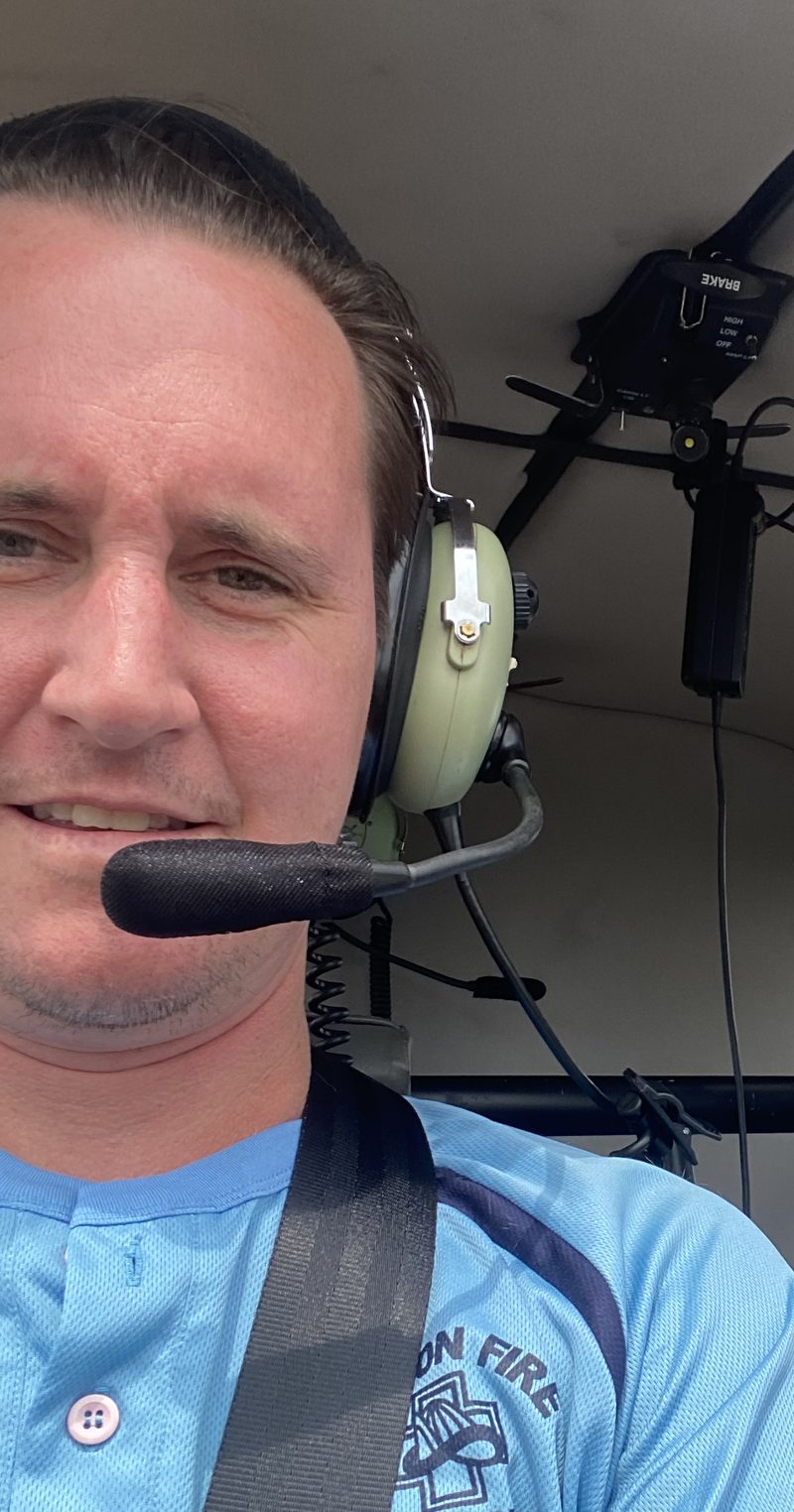
Who you'll actually work with
Daniel Lawton
Founder · AI systems builder
One licensed advisor who also builds the systems. No account manager, no hand-off, no queue — the person on this page is the person on the call.