
Political research · From the ICS intelligence practice
Everything findable will be found. The only question is by whom.
Assume the other side is already reading. Our OSINT practice goes through the lawful record the way a prosecutor goes through discovery — every vote, every dollar, every docket, every archived sentence — and hands you the book first. Documented, footnoted, and priced in the open. For candidates, committees, and ballot campaigns that intend to win.
Conflict check before any engagement · one client per race · confidential both directions
The short version
$3,500
to research your own record before an opponent does
- Vulnerability audits, opposition books, a rapid-response desk, and ballot-question landscapes, all with published prices.
- Public records and lawful methods only, under a published methods code; never for employment, credit, or tenant screening.
- A free two-minute self-check scores your exposure before you spend a dollar.
The services · Published pricing, as always
Four ways the record gets put to work
Ranges below are for local and legislative races; larger contests are scoped in writing. Every engagement starts with a written scope and a conflict check.
The Vulnerability Audit
$3,500–$7,500
Know your own file before anyone else reads it.
We research you the way a motivated opponent would — voting and attendance records, campaign finance filings, court and property records, business history, press archive, every public statement that can be clipped. You get the full book, the three things that will hurt, and the honest read on how to get ahead of each one. Every serious campaign does this first; the ones that don't find out in October.
The Opposition Book
$7,500–$15,000 · statewide scoped separately
The public record, assembled and sourced.
A complete public-record profile of the opposing candidate or committee: votes and flip-flops, donors and spending, litigation and liens, business conduct, statements versus actions. Every claim footnoted to a verifiable source — because research your committee can't defend at a press conference is worse than no research at all.
The Rapid-Response Desk
$2,000–$4,000/mo through Election Day
When the attack lands at 4pm, the receipts land by 7.
A standing research desk for the live phase of the race: fact-checking claims in both directions, sourcing rebuttals, monitoring filings and public records as they update, and briefing your spokesperson with documents — not vibes — before the next news cycle.
The Issue Landscape
$5,000–$10,000
Ballot questions and policy fights, mapped.
For ballot committees and advocacy campaigns: who funds each side, what the filings show, how the issue has played in comparable towns and states, and where the public record supports — or undercuts — each argument. The brief your steering committee reads before it spends a dollar.
The Integrity Scan
$3,500–$7,500 · annual refresh $1,000–$2,000
For officials and future candidates — before there's a ballot.
The off-season product: sitting officials, appointees, board members, and executives weighing a future run get their full public file assembled now — years before an opponent, a journalist, or a nomination hearing does it for them. Includes the honest read on each item and an annual refresh so nothing ages into a surprise.
See a sample page of The Book — findings, footnotes, and usability ratings →
Free · 2 minutes · No email
Candidate? Score your own exposure before anyone pulls your file.
Take the Vulnerability Self-Check →The depth · This is what thorough means
What gets pulled when we say 'the record'
Amateurs run a search and call it research. A book that decides a race goes to the bottom of the lawful record — the places that take weeks, not minutes.
Every vote, every absence, every reversal — the full legislative and board record, cross-referenced against what was said at the time
Every reported donor, every expenditure, every committee transfer — and who those donors are
Litigation, liens, and judgments pulled county by county, everywhere they've lived and done business
Corporate filings, failed ventures, dissolutions, and the officers who rode them down
Property, tax, and assessment records — including the ones that contradict the stump speech
Licensing boards, regulatory actions, and public enforcement histories
The press archive to microfilm depth — not just what Google surfaces
The archived internet: pages deleted years ago, old positions, vanished promises — lawfully preserved in public archives, clipped and timestamped
The operating assumption of every book we build: anything findable will be found before Election Day. We make sure you're the one holding it.
The findings · Patterns, documented
What the record can document
One rule governs every category below: we document patterns; adjudicators name crimes. The book states exactly what the documents prove — timing, money, contradictions — and nothing the record can't carry. That discipline is why the findings survive scrutiny.
Pay-to-play patterns
Campaign-finance schedules cross-referenced against contract awards, roll calls, change orders, and zoning votes: who gave, when, how much — and what got decided three weeks later.
The discipline: Labeled as a documented pattern of timing and money. Never "bribery" — unless a court already said it.
Criminal & civil court history
Convictions, charges, suits, judgments, bankruptcies, and liens from public dockets, pulled county by county, with dates and dispositions.
The discipline: Convictions are fair game; dismissed charges get extreme care or the annex. Everything passes the nexus test: does it bear on fitness for this office?
Conflicts of interest & self-dealing
Deeds and assessor records, corporate filings, financial-interest disclosures, and public payrolls — triangulated against the votes. The undisclosed parcel near the rezoning. The LLC that bills the district.
The discipline: Stated as holdings, relationships, and votes on the record — the reader draws the conclusion the documents invite.
Public-money misuse signals
Municipal audits, inspector-general reports, procurement files, reimbursements, and no-bid patterns. Boring documents almost nobody reads at the local level. We read them.
The discipline: Reported as what the auditors and the paper trail flagged — with the citation, not the adjective.
Résumé & narrative fraud
Claimed degrees versus registrar verification. "Lifelong resident" versus voter rolls and deeds. "Successful businessman" versus dissolutions and liens. "Perfect attendance" versus certified minutes.
The discipline: The cheapest category to verify and the deadliest when it hits — because the story is never the subject of the lie. It's the lying.
Their own compliance file
Late filings, missing reports, over-limit and cash contributions — the opponent's campaign-finance paperwork, which campaigns always forget is public too.
The discipline: Stated straight from the disclosure portal, violation by violation, with filing dates.
The methods code · Published on purpose
Ruthless inside the lines
We don't cross lines because we don't need to — the lawful record is deeper than most careers can survive. And because this code is public, the work can't be discredited by how it was gathered: your campaign points to the code, and the findings stand.
Public records. Lawful methods. Full stop.
Votes, filings, dockets, deeds, licenses, archives, and published statements. No pretexting, no hacking, no surveillance, no going through anyone's private life beyond the public record. If it isn't lawfully public, it isn't in the book.
Sourced or it doesn't ship
Every claim footnoted to a document a reporter could pull tomorrow. We flag the difference between what the record proves and what it merely suggests — and we'll tell you plainly when a "hit" isn't usable.
Research, never disinformation
We document what is true. We do not fabricate, distort, astroturf, or build attacks we know are misleading — for any client, at any price. The work has to survive a fact-check, because it will get one.
One client per race
Conflict check before engagement, confidentiality both directions, and we never work both sides of the same contest. Ever.
Public roles, not private people
Candidates, committees, and officials acting in public capacities. We decline work targeting private individuals, and anything whose purpose is harassment rather than informed voters.
Your counsel leads on compliance
Committees handle their own campaign-finance reporting of vendor payments; we invoice as professional research and keep clean records. Nothing we produce is legal advice.
Straight answers
The questions campaigns actually ask
Is opposition research legal?
Done our way, it's not just legal — it's a standard part of American campaigns at every level. Assembling and verifying the public record on people seeking public office is vetting, and voters are better off for it. What's not acceptable is surveillance, pretexting, or distortion — which is why our methods code is published on this page.
Why hire an OSINT firm instead of a political consultant?
Most local and state campaigns can't afford the big oppo shops, so they get either nothing or a volunteer with a search bar. Our day job is open-source intelligence — property records, corporate filings, litigation histories, digital footprints — done with AI-accelerated pipelines that make professional-depth research affordable at down-ballot budgets. Same discipline we sell to businesses, applied to the public record of a race.
Will you take any campaign as a client?
No. We conflict-check every race, work one side only, and decline engagements that fail the methods code — including 'just find me dirt' requests with no interest in whether it's true. We also happily do the most honorable job in the field: researching you, for you, before your opponent does.
What does the deliverable look like?
A written, footnoted research book with an executive summary, the documented findings in priority order, source exhibits, and an honest usability assessment of each item — there is a fully fictional sample page at icsgroup.ai/political/sample. Rapid-response clients get standing briefs. Everything is confidential and yours.
Deep dive: what opposition research actually costs in 2026 — real numbers, for once →
ICS provides research services from public records for lawful campaign purposes. We are not attorneys and nothing here is legal advice; committees should consult counsel on compliance and reporting. The broader intelligence practice — including business diligence and digital-exposure work — lives at icsgroup.ai/intelligence.
A quiet first conversation
Every race has someone who did the reading. Be on their side.
Thirty minutes, confidential, no obligation — including the honest answer when the smartest first strike is researching yourself. One client per race, so the side that calls first is the side we work for. If we're conflicted out, we'll say so on the call.
- 1 Conflict check Within one business day we confirm we can take your side of the race — or tell you we can't.
- 2 Thirty-minute call What worries you, what the calendar looks like, and what the record is likely to hold.
- 3 Written scope A fixed scope and a price from the published ranges before any work starts.
Rather talk now? Call or text (508) 942-8259
Received — the conflict check starts now.
Daniel Lawton reads every inquiry personally and replies within one business day — usually the same day in an election year. Nothing about your request is shared with anyone, and the subject never learns you asked. Need it faster? Call (508) 942-8259.
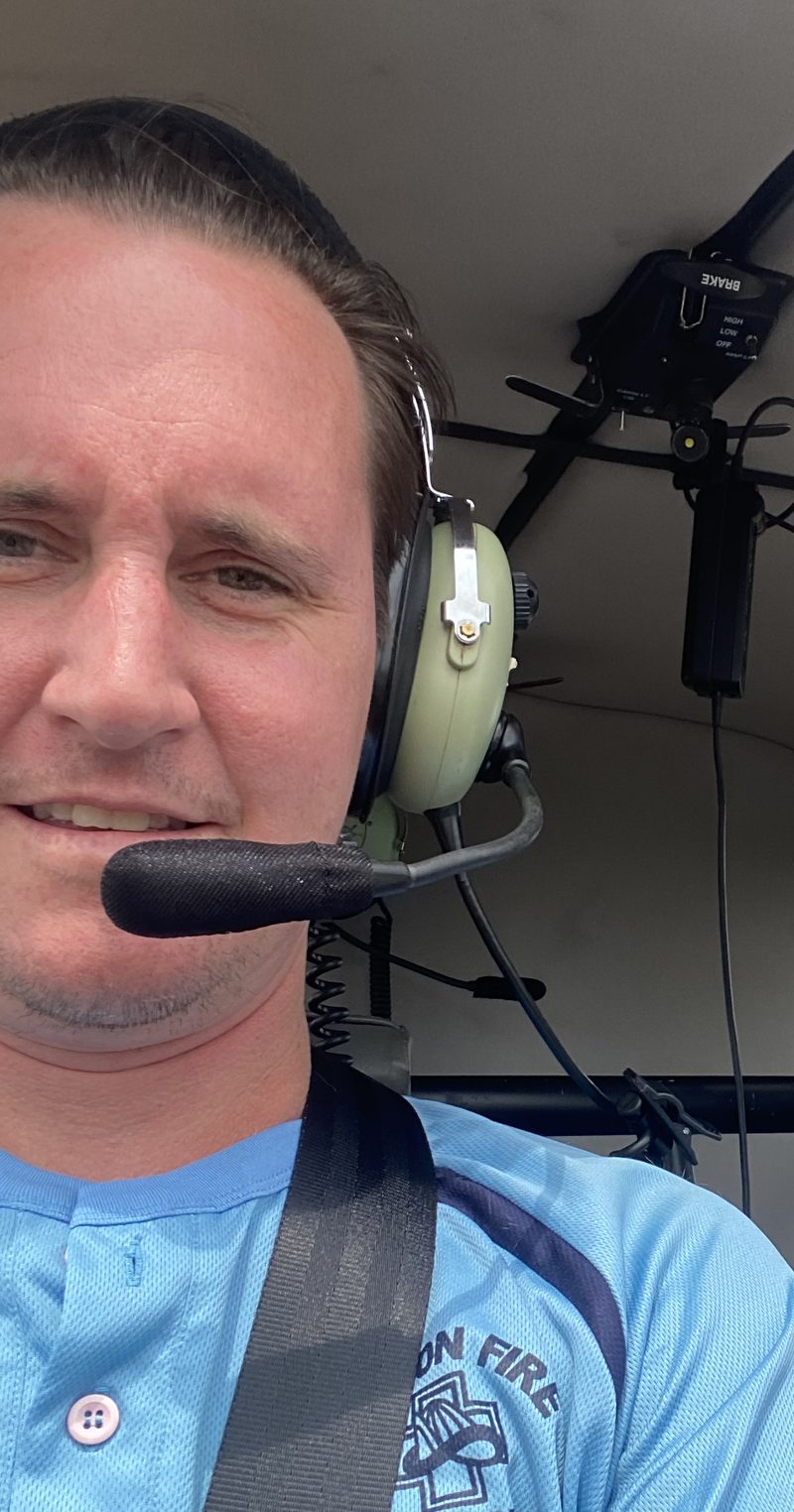
Who you'll actually work with
Daniel Lawton
Founder · AI systems builder
One licensed advisor who also builds the systems. No account manager, no hand-off, no queue — the person on this page is the person on the call.